

From an extensive music video filmography to making a “rollercoaster ride” horror, the filmmaker talks AI and finding the perfect agent of chaos in Cocaine Bear star Aaron Holliday.
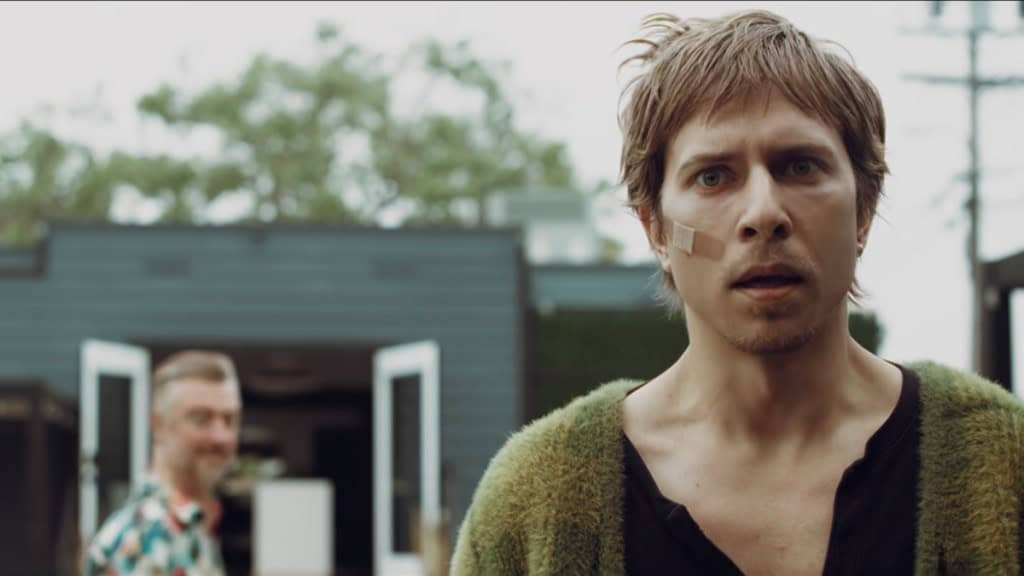
Aaron Holliday as Duke. Courtesy of Magenta Light Studios.
Chances are that Chris Marrs Piliero, writer-director of indie deepfake horror Appofeniacs, has helmed a music video for a singer or band you love.
After juggling videos for artists such as Britney Spears, Ariana Grande and The Black Keys, Piliero made his feature film debut with a messed-up, snowballing tech horror about the unchecked consequences of AI.
“I would say that just having a decade of directing music videos under my belt, as a whole, definitely informed the process of making a film,” Piliero told Soundsphere.
“Because when you’re shooting music videos, you’re shooting so much compacted into one day. Sometimes for some of the bigger ones, you have two days, but for the majority of them you have one day, and you got all these different setups, especially with my music videos, they’re basically all narratives,” he added.
“You’ve got all these different setups to tell the story, beginning, middle, end. Sometimes I throw in scenes of dialogue, and then you also have the performance setups. So you’re shooting so much stuff, and you have to kind of train yourself to move quickly, to figure out different shots, to constantly be problem-solving.”
This quick-thinking, razor-sharp approach to filmmaking lies at the foundations of Appofeniacs, an unhinged ensemble piece with many moving parts surprisingly clicking into place.
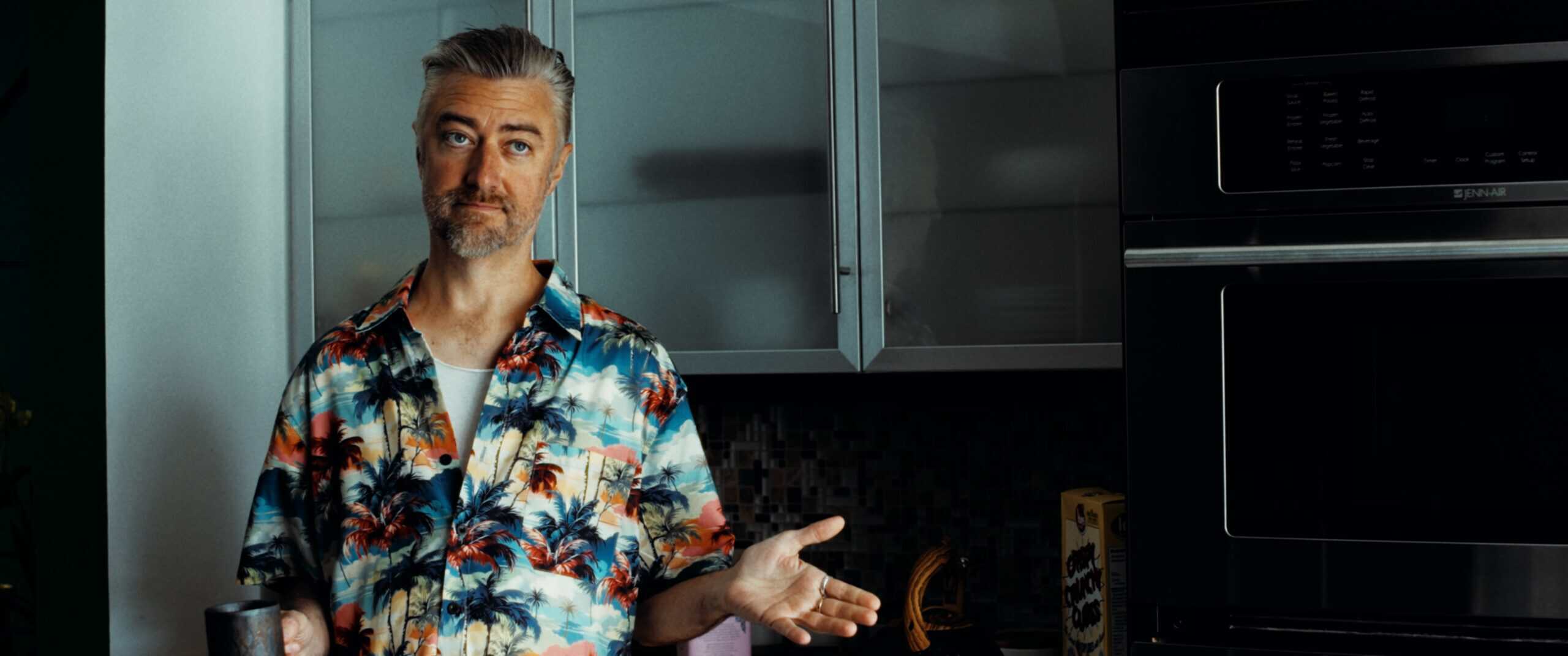
Sean Gunn as Clinto Binto. Courtesy of Magenta Light Studios.
Following rave reviews out of FrightFest UK last year, the film has now opened in US cinemas. No release date for the UK yet, but the film’s buzz means we might see it this side of the pond again soon.
Appofeniacs stars Cocaine Bear’s Aaron Holliday as Duke, an agent of chaos exacting his petty revenges one AI-generated video at a time.
Holliday brings a heightened, spirited quality to Duke, with Piliero explaining he was “determined” to get the star on board.
“Once the project was announced for casting, one of his reps actually then contacted us with interest, and the moment that happened, I was just determined that no one else can play Duke except for Aaron,” Piliero said.
“I was familiar with him already from Cocaine Bear, and just that instant that he entered my brain, I just knew, like, ‘Oh, this guy is Duke, and I need to make sure… I need to do whatever I can to make sure he plays Duke,’” he recalled.
In the film, each of Duke’s clips avalanches into disturbing developments — think gallons of blood and an arsenal of “very heavy” cosplay weapons crafted by propmaker Clinto Binto, played by Piliero’s pal and Marvel star Sean Gunn, who also produces.
Also starring Jermaine Fowler, the film carefully balances a political, AI-cautious stance with some of the most bizarre kills you’ll see on the big screen this year.
“The technology and the overall effect it has on the characters in the film and, in the grander scope, in reality, is a very heavy subject matter,” said Piliero, “so I went into it wanting to make the film be more of a rollercoaster ride and kind of fun.”
The filmmaker aimed to introduce audiences to “quirky, interesting characters” in a pulp Los Angeles where cosplayer Poppy (Simran Jehani) and her gang, rideshare driver Tim (Will Brandt), accidental ‘Karen’ Lazzy (Paige Searcy), and violent James (Chad Addison) all interact in the worst way possible.
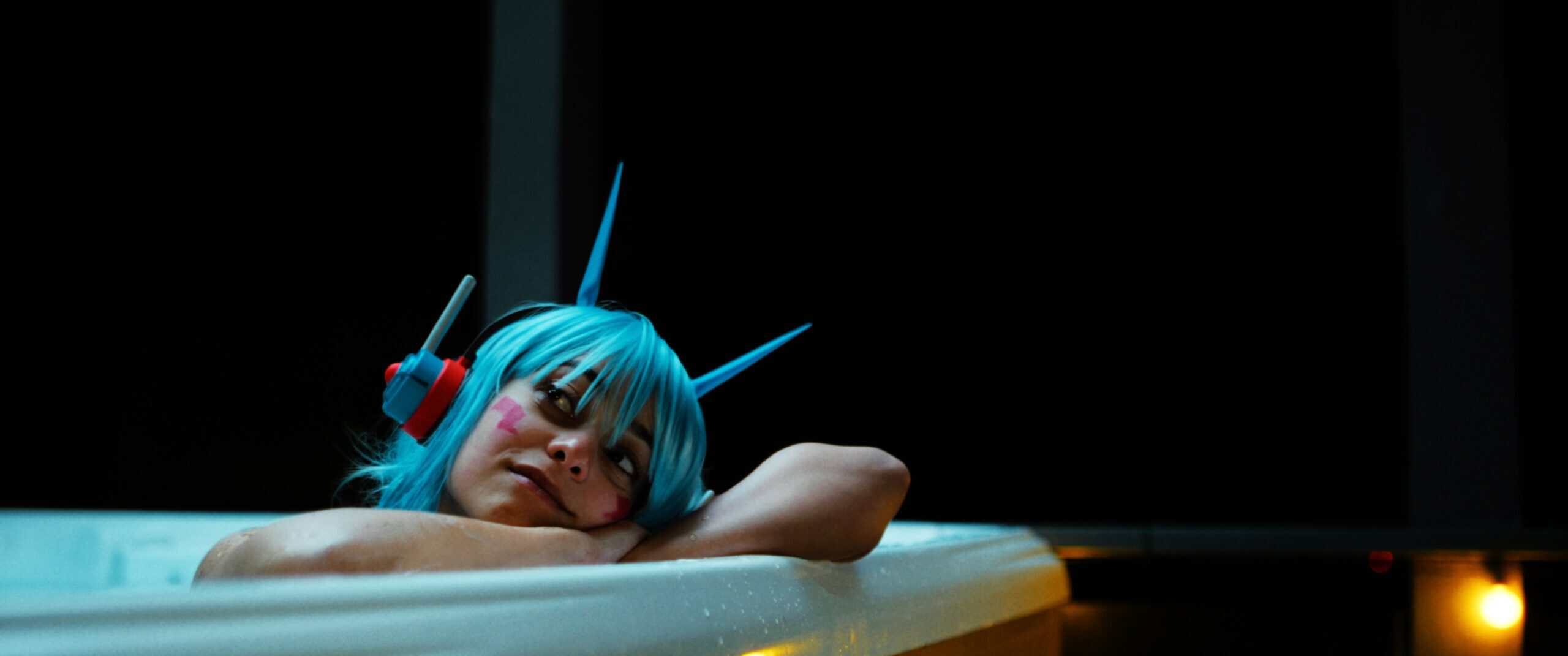
Simran Jehani as Poppy. Courtesy of Magenta Light Studios.
Appofeniacs is all (AI) fun and games until it’s not. The movie has cackle-out-loud moments throughout, but opens on a sobering intro where a woman is murdered by her controlling boyfriend over a supposed sex tape she’s made.
“That was the story that I kind of wanted to kick things off with, because it was the most kind of raw and real kind of scenario,” Piliero said, but insists that deepfake mastermind Duke isn’t a villain.
“Deepfake is not being used for blackmail [in the movie]. It’s being used just kind of recklessly, and I really liked that aspect of Duke’s character, that he’s not really the villain of the film, he’s just an actor,” he said.
The banality of AI evil is “a scenario that I really wanted to explore,” said Piliero.
“I just feel like it’s something that people are going to face in reality, too,” he said. “People with this technology in the palm of their hands that just kind of aren’t considering what the consequences are, what happens when they click ‘send’.”
Duke’s videos blurring the lines between truth and fabrication go very viral, very quickly. The clips are so detailed that it’s almost impossible to tell what’s real, with relationships crumbling in a climate of suspicion.
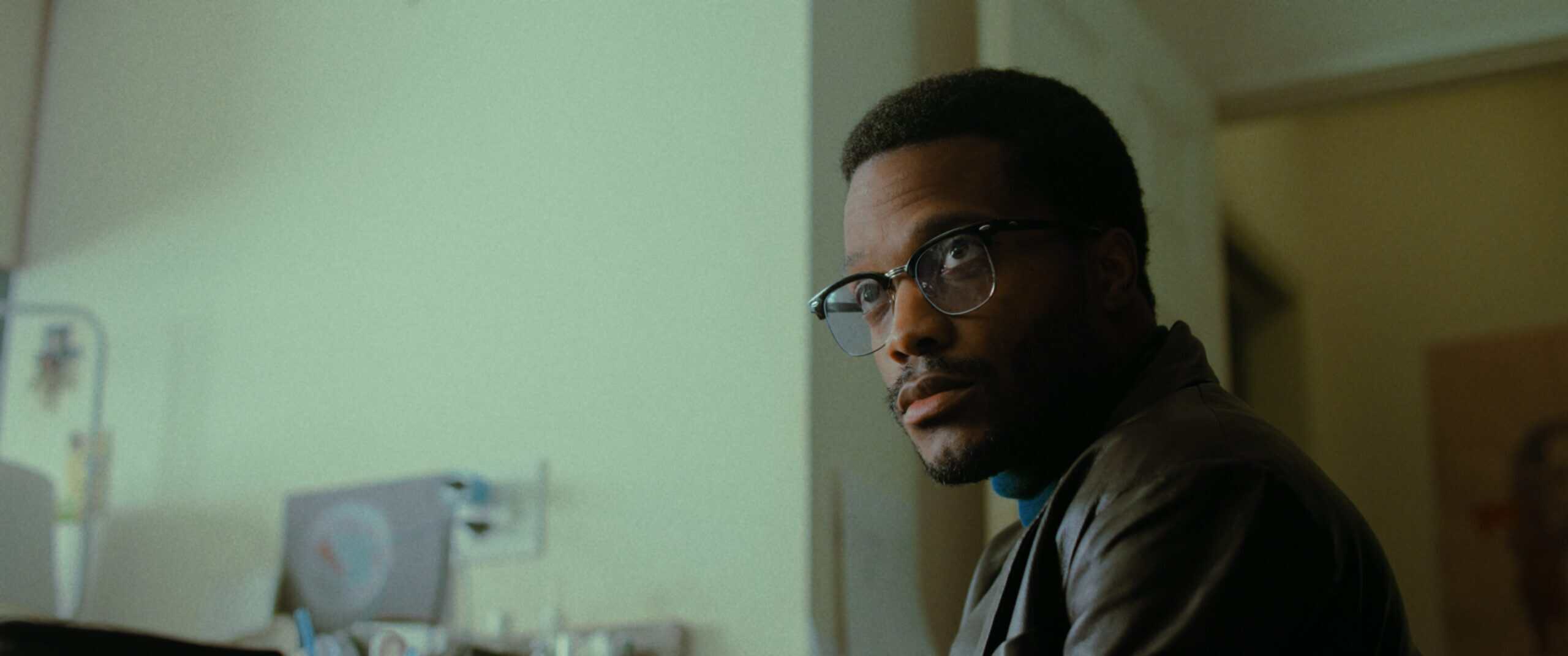
Jermaine Fowler as Cedrick. Courtesy of Magenta Light Studios.
“Our phones can do what TV shows and movies used to dream up!” an ecstatic Duke says to convince Cedrick (Fowler) that AI-generated deepfakes are but a mischievous party trick to deploy whenever he likes.
As this technology evolves to produce content that’s indistinguishable from reality, it’s happened to the best of us to get stuck on a social media video a second too long before calling the AI’s bluff.
A self-proclaimed sceptic, Piliero thinks he’s “pretty good” at spotting AI videos and challenging assumptions.
“In text chains with my family and whatnot, I’m always the one who’s immediately like, ‘I don’t know about this… I don’t trust this’. And so I’ll always put in a little research to find the source,” the director said.
There’s no trace of AI in Appofeniacs, though Piliero has had some fun with it when promoting his film on social media.
“The one thing that I think is super important that we’re really missing right now is [having] people in charge putting regulation on AI,” the filmmaker said of AI.
“There should be legit regulation, but then, as a society, we need to form a kind of ethics behind it as well.
“So it’ll be interesting to see how we’re able to kind of reel it in, and then talented people, how they’re able to use it and figure out a good, ethical way to do it.”