

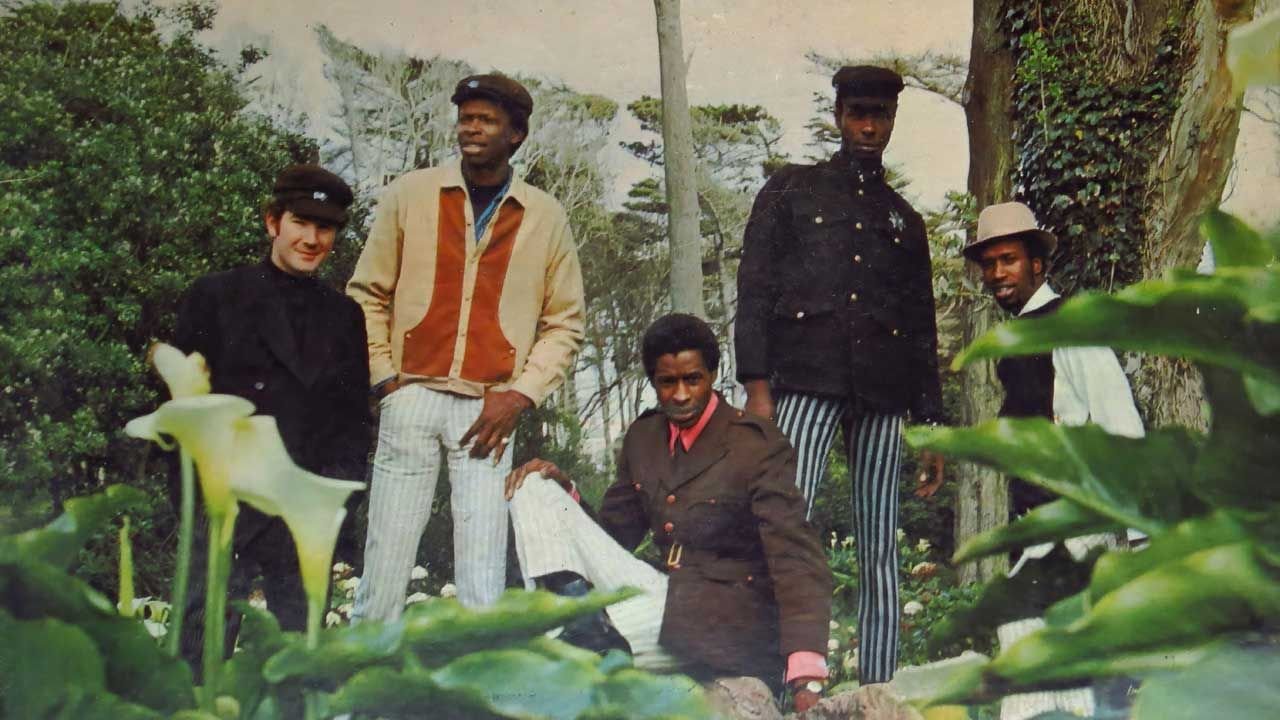
It’s the cowbell-clanking, civil rights-based psychedelic soul anthem that put four African-American brothers on the popular music map. But the Chambers Brothers 11-minute signature song nearly didn’t make it onto plastic, let alone become mainstream listening.
Born and raised in Mississippi in the 40s and 50s, the brothers George, Joe, Lester and Willie Chambers worked on their father’s cotton farm and, having been taught to harmonise by their mother, sang all day in the fields and in their local Baptist church at weekends.
After George returned from two years army service during the Korean War, the siblings relocated to Los Angeles to escape racial tensions. Using the name the Chambers Brothers (“we couldn’t agree on anything else,” stated Willie), they brought their soul and gospel mix – complete with washtub bass, harmonica and guitar – to the city’s coffee shop circuit. “We were the first group to do gospel music in clubs,” Willie told interviewer Kevin Grace. “We got really good.”
Latest Videos From Louder
But the folk café gig set-up took a weird turn when conservative complaints were made about a gospel band playing establishments such as The Ash Grove that not only sold coffee, but alcohol too. “We were asked [by promoters], ‘Can you mix it up? Play some blues and rock’n’roll so we’re not booking a gospel act?’” says Willie. So their genre palette expanded, using electric guitars on folk and gospel songs, like trailblazer Sister Rosetta Tharpe had, ahead of Bob Dylan’s landmark moment.
Social activist, vocalist, guitarist and producer Barbara Dane spotted the Brothers at The Ash Grove. “The minute I heard them I knew they’d be perfect to do these freedom songs that people were wanting so much to hear and sing in the 60s,” Dane said. Dane championed the quartet, taking them out on tour and telling them, “Do your thing.”
Dane also badgered folk maven Pete Seeger to give the Brothers a break. They caused waves at Seeger’s Newport Folk Festival in 1965 with a set-list that included sped-up Jimmy Reed songs. The audience “broke down fences, ran and rushed the stage,” Joe Chambers told Richie Unterberger. After their show, the MC stated, “Whether you know it or not, that was rock’n’roll.” Bob Dylan also appeared, famously going electric for the first time.
New Yorker Brian Keenan was recruited on drums that year and the band recorded a cover of the Isley Brothers’ Shout! for Vault Records, and backed Bob Dylan on a version of Tombstone Blues. Signed to Columbia in ‘66 by Dylan’s influential A&R man John Hammond – who had heard them play on Tombstone… – they rushed out a rough-sounding revolutionary rally-cry for hippies, a single called Time Has Come Today that guitarist Joe Chambers had written after taking LSD at a Timothy Leary lecture at UCLA.
The song featured a repeat call-to-action yell of ‘Time!’, which seemed to urge the listener to act on halting the social and political justices of the day, such as segregation and the Vietnam War. The now-familiar ‘tick-tock’ percussion motif was added by Lester Chambers, to “keep the drummer straight”.
“I first [played that] on a car bumper from a ’49 Buick,” Lester says. He and his tour manager cousin Julius Chambers then found a music store that sold cow bells and Lester went through the whole lot until he found the one most “in tune.” Time… became a highlight of shows played in front of rock audiences as the band were booked alongside acts such as Johnny Rivers, The Doors and The Nazz.
By ‘67 the group were ready to record their debut album with in-house producer David Rubinson (Moby Grape, Taj Mahal, Santana). But Columbia’s President, Clive Davis, was obstructive. At a formal ‘welcome to the label’ meeting, he told the group to not re-record Time…. He said Columbia didn’t want to work with “that shit”. In fact, he was thinking of giving it to a white group.
Rubinson had other ideas. A few days after the meeting, he called them to say, “I might lose my job, but [when we record the album] come up an hour earlier and we’ll do it.”
“We [couldn’t] re-record, overdub, or listen back,” Willie Chambers recalled to Kevin Grace, explaining that Davis would allow the group very little studio time. “[Rubinson] said, ‘We have to shut down the machines as if we’d never been there.’”
The session day came, and the band turned up early and recorded Time… in one take. Rubinson added effects at the same time as the band performed. The song evolved from a tight-but-groovy garage rock number to an 11-minute beast featuring a wild, experimental jam, worthy of the lyric “my soul has been psychedelicised”.
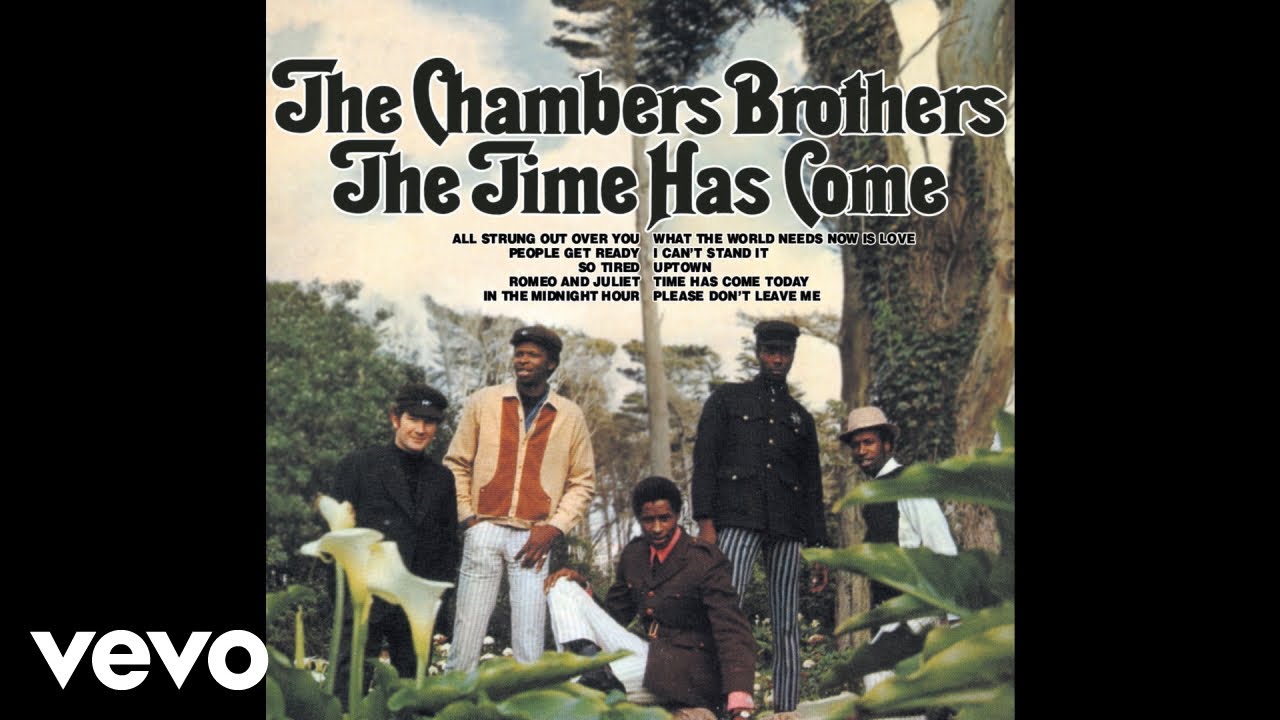
The next time the group heard the song, it had made it onto their album, The Time Has Come. DJs across the US clamoured to play the full-length track, not the radio edit, and sales of the LP soared. The song reached Number 11 in the Billboard Hot 100 in 1968, where it stayed for five weeks.
The band were now somehow in favour with Davis. When they were to be presented with a gold disc on the Smothers Brothers national TV show, he turned up in the green room. “He smiled and said, ‘Well, fellas, you got one,’” says Willie Chambers. “And we glared at him and said, ‘Yeah… and you are one.’”
Time Has Come Today has inspired cover versions by acts such as Joan Jett, Steve Earle and Sheryl Crow, and Me’Shell Ndegeocello. It’s featured in over 100 films and countless TV shows and adverts, lending a strident, inspirational flavour. Lester Chambers now performs the track with his son Dylan in the cosmic collective Moonalice.
The Chambers Brothers were pioneers of socially-aware Black American soul, rock and funk, alongside Sly And The Family Stone, Rotary Connection, The Temptations, Funkadelic, Curtis Mayfield, The Isley Brothers, Betty Davis and many others. Their songs built future rock and soul music, and future activist generations. Time… makes all our souls a little psychedelicised when we hear it.
“We never tried to have a Number One record,” says Willie. “We wanted to make music that had a meaning and substance, and that might help someone.”