

“If an Emmy nomination can’t get you a second season, what can as a Black actor?”
Why do people of colour face disparities in cinema? Whether it’s the backlash that comes with securing protagonist roles or the threat of shows being discontinued, Laviea Thomas looks at what drives it.
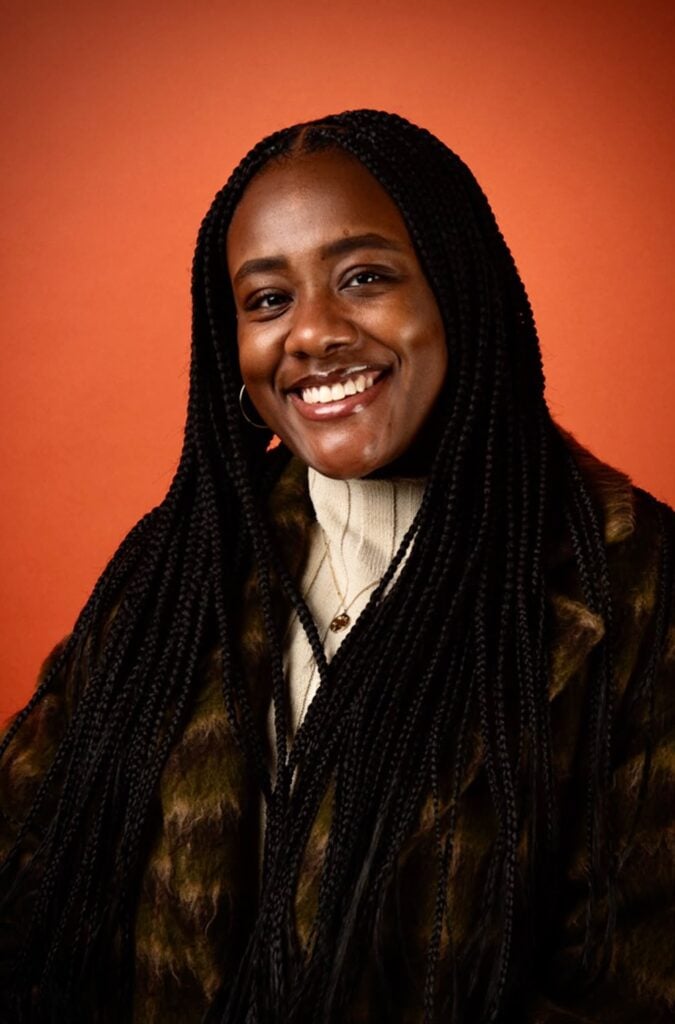
Ada Enechi
“Everybody understands gender politics, but they can’t understand race politics,” Buzzfeed creative director and acclaimed film critic, Ada Enechi, tells me over a Zoom call.
While there are no textbook definitions of ‘blind casting’ and ‘lazy storytelling,’ both concepts remain as barriers in cinema, often creating racial challenges. Prime examples of blind casting include Rupert Sanders’ casting of Scarlett Johansson (a white American woman) as Motoko Kusanagi in Ghost in the Shell, a film based on a Japanese manga. Or, Jake Gyllenhaal (a white American man) as Dastan in Prince of Persia.
Blind casting isn’t new; in fact, it’s been present in cinema and Hollywood since the 19th century. Over the decades, people of ethnic origin have been ignored for roles that often suit them best. On the flip side, they’ve also been penalised for securing opportunities that didn’t ‘fit’ the narrative people assumed of them.
Credit: MS NOW
The Rise of People of Colour in Leading Cinematic Roles
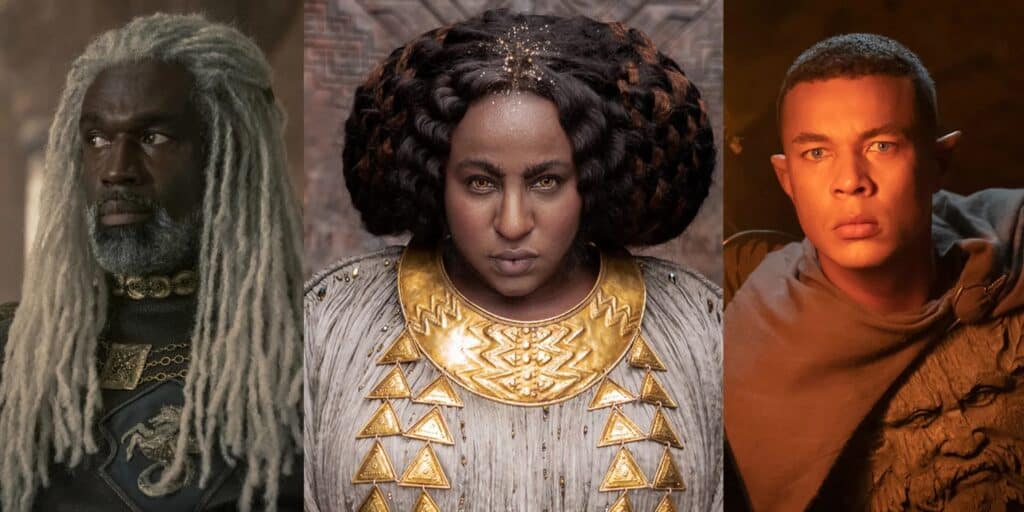
Although history shows that people of colour have struggled to land more protagonist roles in movies, the 21st century made it less of a spectacle. Instead, we saw credible actors such as Chadwick Boseman in the phenomenal Black Panther. Or Salma Hayek in Eternals. Or John Boyega in the last Star Warstrilogy.
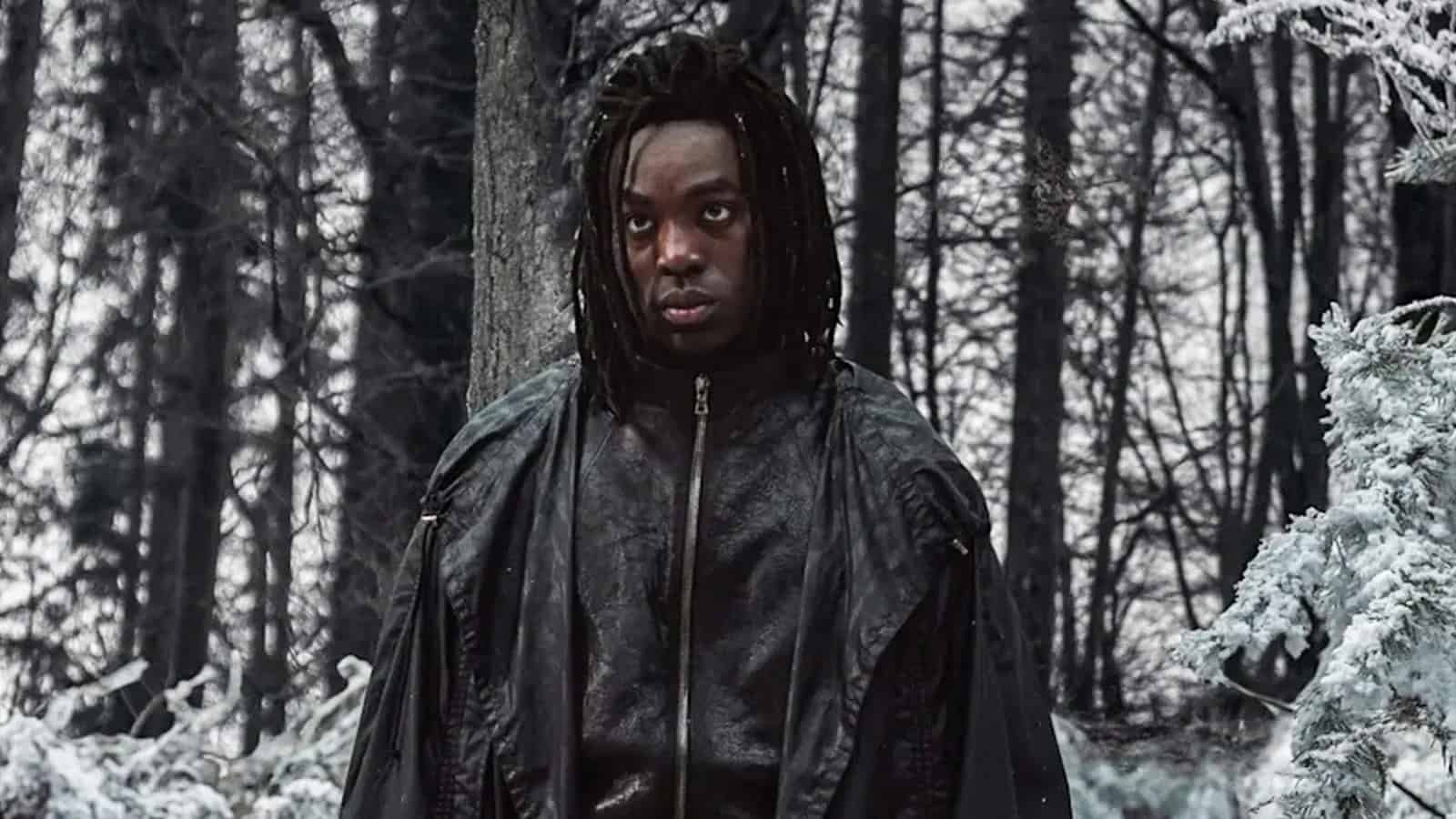
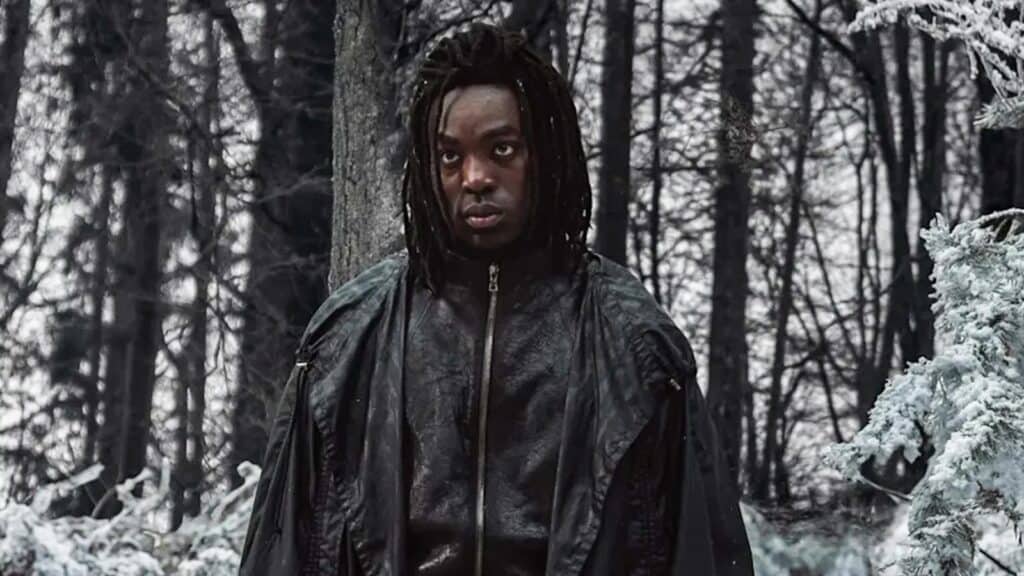
These were major success stories, but the one thing that stood out was the way the industry treated these actors… badly. Last year, British actor Paapa Essiedu was announced as the new Snape in HBO’s Harry Potter TV series. What should have been a career highlight quickly became a reflection of the bigotry and racism embedded within the film industry. Upon the announcement, Essiedu experienced a plethora of death threats. Thousands of people couldn’t comprehend the idea of a recast of Snape, a fictional character in a fantasy TV show, as a Black actor. Despite the show having no cultural relevance to any historical period, thousands of die-hard Harry Potterfans shared heinous comments on the subject. The actor told The Timesthat one of the comments he received was, “Quit, or I’ll murder you.”
Similarly, in 2024, Black British actress Francesca Amewudah-Rivers was announced as Juliet in the West End production of Romeo and Juliet. The actress expressed that she was bombarded with racist, misogynistic abuse and received a “barrage” of death threats, sent by mail to the theatre.
Although the industry spent some time rectifying the lack of representation of people of colour in the film and TV sector, the cinematic world now had a new problem. Dealing with the racist bigots who terrorised those for simply having these roles.
Interestingly, the scepticism is that many fans are fine with people of colour playing roles that ‘make sense.’ Otherwise, topics of stereotypes and cultural heritage. But, how bleak would cinema be if people of colour were subject to film and TV opportunities that align with onlythis? Black, brown, and Asian actors also deserve the opportunity to feature in fantasy, rom-coms, sci-fi and so forth.
No complaints were made when Chiwetel Ejiofor made his show-stopping performance in 12 Years a Slave. Ken Jeong was praised as a comedy king for his character inThe Hangover. Nobody questioned Parminder Nagra’s overdramatised, harsh family dynamic in Bend It Like Beckham. The list goes on.
Casting people of colour in fictional cinema isn’t woke. Nor is it “politically correct,” it’s simply humanitarian. Catering to the other groups of society that walk among us.
Credit: Don Arnold/Wire Image
Blind casting and Lazy Storytelling
A present-day example of lazy storytelling includes Paul Thomas Anderson’s depiction of Black women throughout One Battle After Another. Almost every woman of colour in that movie is a caricature of the stereotypes society puts on them. This storytelling holds very little relevance to the characters’ personalities and could have been left out. Though, of course, it wasn’t.
Another example, that’s perhaps more broadly speaking, is the sidekick trait. This is often someone of ethnic origin and is typically killed off promptly. Like Duane Jones in Night of The Living Dead (1968), or Samuel L. Jackson and Dwayne Johnson inThe Other Guys (2010). Again, this isn’t a new revelation or a conversation that hasn’t been addressed before. In 2023, Rolling Stone published a feature entitled, ‘Why ‘The Black Guy Dies First’ in Horror Movies.’
“[In] the new Supergirl, the only Black family that was in there…were murdered, quickly, swiftly…,” Enechi adds to the discourse.
“Wonder Mangot cancelled after the Nielsen report said the views were there. They got nominated for an Emmy. They were planning season two. Marvel cancelled the series. Why? Is it because it is one of the only Black superheroes they’ve ever had? Because if the numbers are there, you’ve been nominated for an Emmy, what’s the excuse? If an Emmy nomination can’t get you a second season, what can as a Black actor?” she continues.
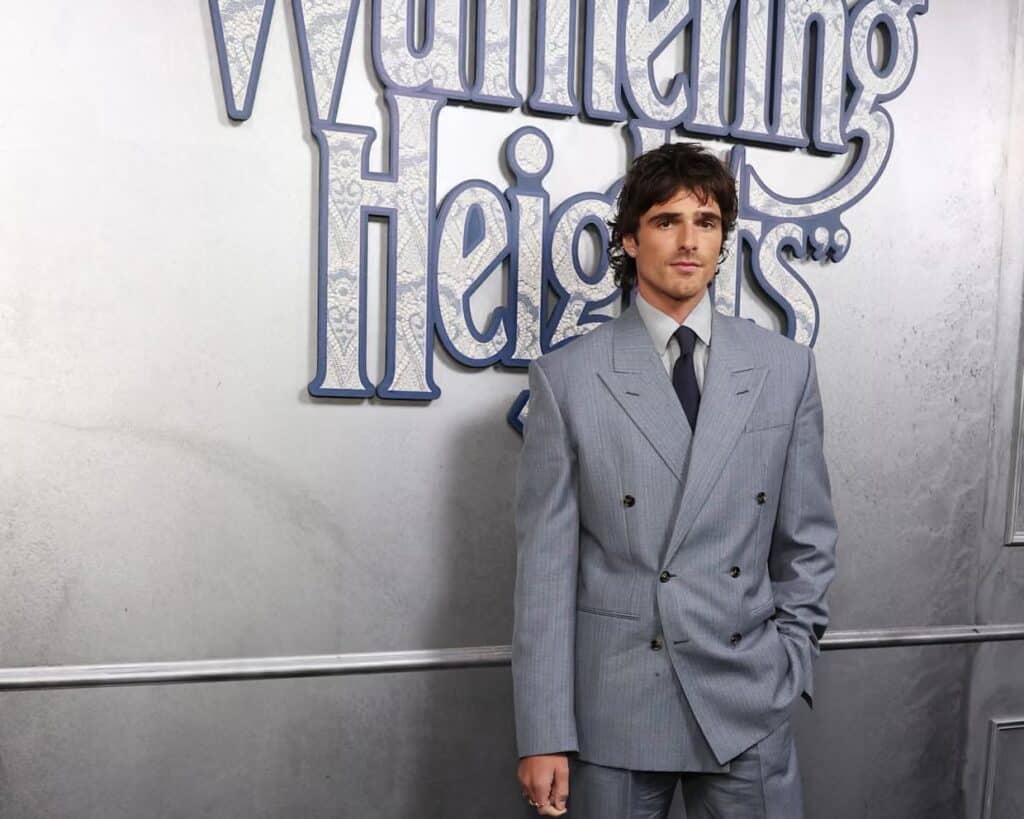
On the flip side is the blind casting trope. In February this year, Emerald Fennell released an adaptation of Wuthering Heights. In which the director cast white Australian actor Jacob Elordi as Heathcliff. Whether you’re a die-hard fan of Emily Brontë’s 1847 novel or are curious about the movie, it doesn’t take extensive research to understand that the race of Heathcliff is a pivotal point. The movie is based on his experience of social injustice due to being racially ambiguous. The book unfolds the complexities of how racism works – how it can often be a subtle hum or as loud as a vigorous chorus line.
In recent weeks, prolific actor Andy Serkis has also caught backlash for a recent interview about casting in fantasy movies. He told the BBC, “Tolkien himself was influenced a lot by Norse mythology… The shire feels very white… They’re not very concerned about what goes on beyond the borders of the shire, but they know they don’t want people going in. Yes, there have been criticisms. This particular film somewhat acknowledges that. I don’t think we’re doing a sort of politically correct, casting for the sake of casting, ticking boxes version of the film. It’s where relevant, basically.”
Despite Serkis’ commentaries, The Lord of the Ringsdoesn’t require whiteness for its story to be told or for its plot to make sense. As he says himself, the franchise is based on mythology, otherwise a period central to fictional ideologies. Additionally, since those movies, many people of colour have been cast in Patrick McKay and J.D. Payne’s TheLord of the Rings: Rings of Power.
“I think Andy saying that is so disappointing, and I think that people don’t realise how much they show their own prejudice by saying that,” says Enechi. “I think that, especially when it comes to fantasy, there is no excuse, [to not include people of colour] unless the fantasy is directly historically linked.”
Alternatively, for some, fantasy already has its fair share of representation. “Some people have mentioned that the Guardians of the Galaxyis diverse because of Zoe Saldaña,” Enechi says, as we share a chuckle. “She’s green… When you start looking at this more, even down toStar Trek, the Black characters have horns. [Fantasy] doesn’t want to see a normal-looking Black person.”
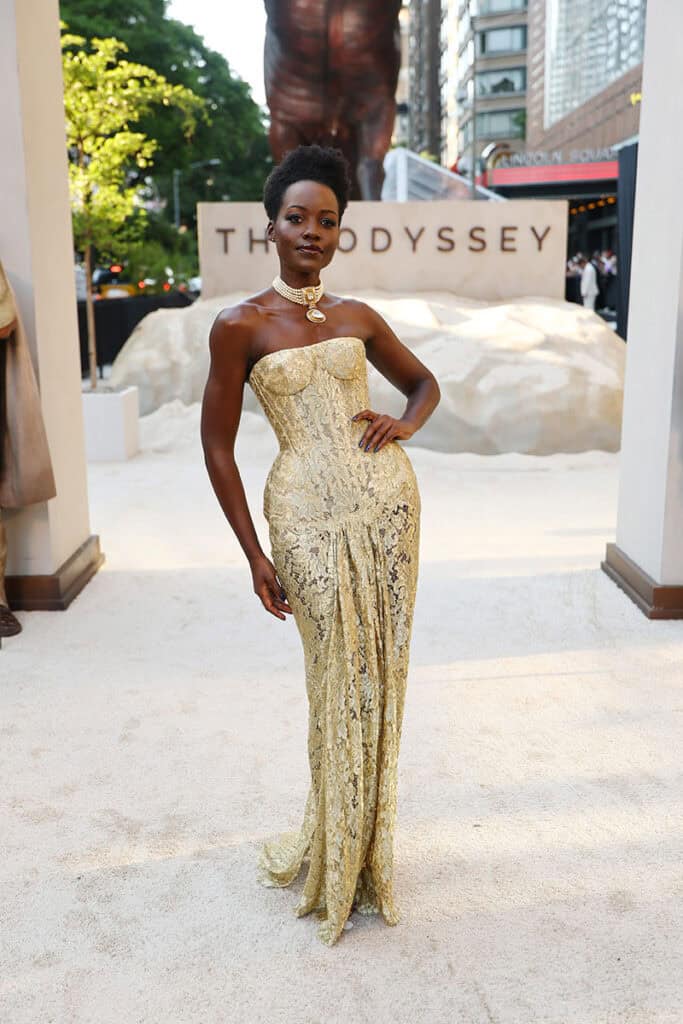
NEW YORK, NEW YORK – JULY 14: Lupita Nyong’o attends the premiere of “The Odyssey” presented by Universal Pictures on July 14, 2026 in New York City. (Photo by Mike Coppola/Getty Images for Universal Pictures)
Why Does This Happen in Cinema?
“I think that modern fantasy, or the fantasy that we know, is inherently racist,” says Enechi. “You can tell when it’s been thrown in. Like, ‘here, take it or leave it.’
In 2026, it appears that thousands, if not millions of people, still struggle to come to grips with people of ethnic origin holding main roles on screen. But, how many of these complaints are from realpeople?
“We need to stop listening to the outrage. They don’t care,” says Enechi. “Most of this outrage is being fuelled by bots or by very small-minded people. Even with the controversy around Lupita [Nyongo’o’s] casting in The Odyssey, who cares? People made it seem like there were millions of people ready to boycott. Mind you, The Odysseyhad one of the biggest opening weekends. Real people don’t care, but studios have decided to listen to online more than real people.”
And she makes a good point. Nyong’o’s The Odysseyco-star Jon Bernthal praised the actress’s performance as Helen of Troy with glowing colours. “For me, there’s no one else in the world who could have done that, who comes with a level of beauty both inside and out that you believe somebody would… I’m just so glad it was her,” Bernthal told DiscussingFilm.
The exhausting part of the blind casting and lazy storytelling debate is that today, people pretend to misunderstand the nuance of the issue. Even though in the 90s and early 2000s, it wasn’t unusual to see people of colour in leading roles in film and TV. Today, you’re lucky if you see them cast, even with a cameo.
“I think cinema needs to get back to what it’s supposed to be about and get back to the art,” Enechi tells me. “I understand we need to make money, but let’s focus on the art because theatre has always done blind casting. You could go to The Globe right now, and you can see anyone playing anyone. It doesn’t matter. I’ve never seen anybody complain about that or walk out. You accept that there might be a Black Romeo today. It doesn’t matter because it’s about the art.”
Credit: HBO