

WARNING: Contains major spoilers for Godzilla Minus Zero
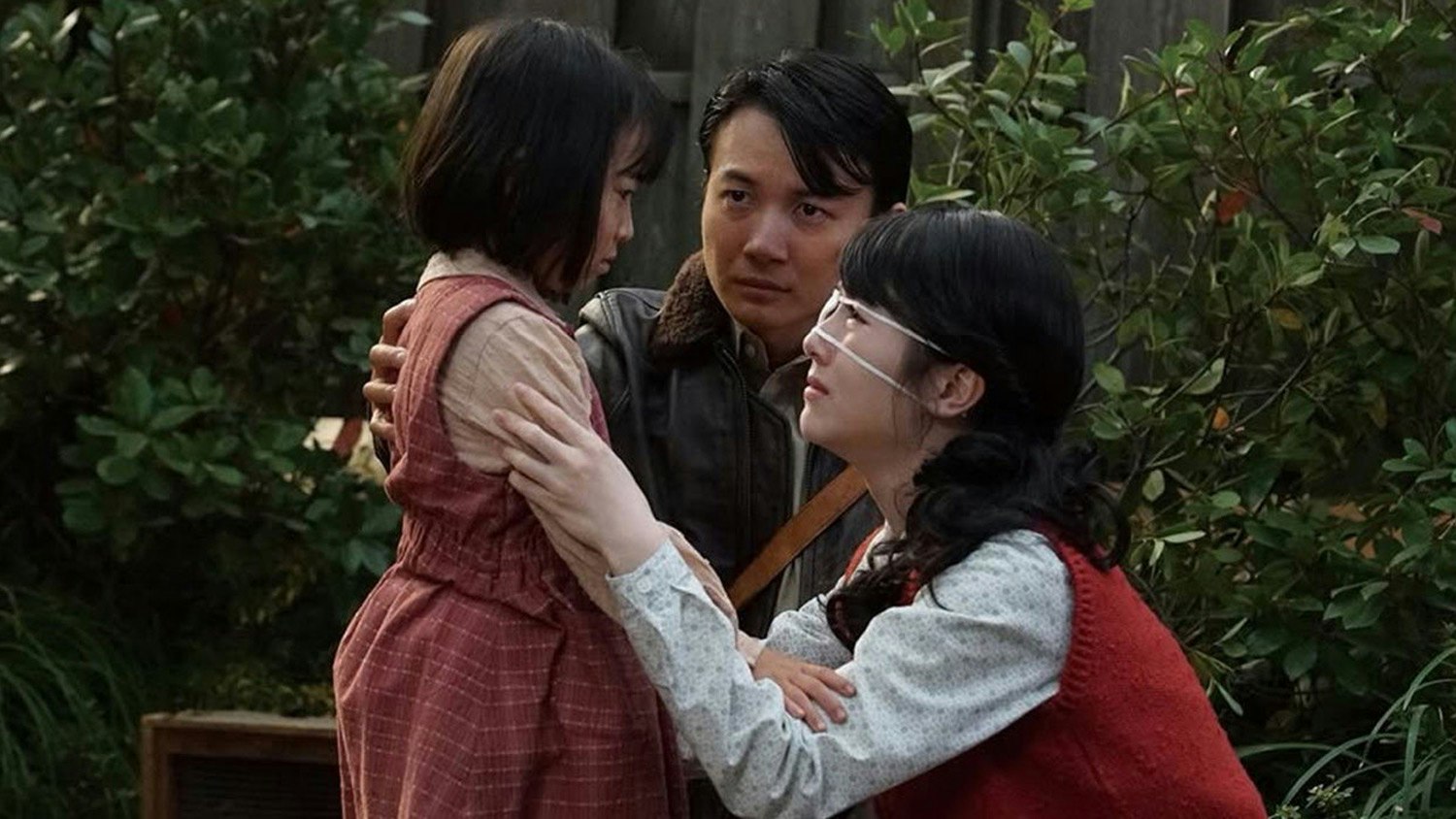
As I left the early screening of Godzilla Minus Zero, I was overwhelmed. This in itself was not surprising. As a huge fan of Minus One, it was among my most anticipated films of 2026 – and on exiting the Soho Screening Rooms, I was still buzzing from its monster-brawl delights. But something else was lingering too. A tightness in my chest, a squirm in my stomach that didn’t easily settle. The cause was the emotional climax of the film, a very human scene that had nothing to do with kaiju at all: two parents, trying to explain to their devastated child that they have to leave her behind at an orphanage for her own good. She wails. And wails, and wails.
As the scene played out, I found it almost unbearable. This is probably writer-director Takashi Yamazaki’s intention – part of the success of Minus One (and Minus Zero too, depending on who you ask) is how well he foregrounds the emotional character drama of Kōichi Shikishima and Noriko Ōishi, wartime survivors desperately clinging to each other as Japan suffers monstrous attacks of a different kind. In Minus One, the pair were flung into each other’s orbit, along with orphaned kid Akiko. By Minus Zero, they’re a fully-fledged family unit: mum, dad, and daughter. In the final reel, when Shikishima and Noriko are forced to flee from the authorities, they realise that this is no life for Akiko. So they go to see her for one final goodbye.

As Akiko cried, and cried, and cried, I felt my body almost freeze. There was something different to how I was experiencing this cinematic moment – I was feeling it physically, weighed down in my seat, with a discomfort that had me shifting in my chair. When it ended, I emerged onto the street alongside my Empire colleagues with that tension still rattling inside – but it was instantly clear that not all of us had had that same experience.
Those who didn’t gel with Minus Zero’s ending had found it, at best, unmoving and overwrought. At worst, downright annoying, with the unrelenting tenor of Akiko’s sobbing allowed to ring out for several minutes. But walking back to the Empire office, my colleague Alex caught up with me. “Ben, do you think that final scene played differently to you, being a parent?” It really did, I told him. Alex, also a dad, had been hit in a similar place. “I couldn’t watch it without seeing my daughter’s face,” he said. I’d felt exactly the same thing. The thing is, as a parent, you’re used to seeing your child cry, often over something fairly innocuous (no, your banana breaking in half isn’t a world-ending disaster). But you also get to be their source of comfort. Some cuddles, some reassurance (and a reminder that the banana still actually tastes the same) means things are soon settled.
I think this is why the Akiko scene hit so hard. It tangibly placed me in the feeling of seeing my kid be viscerally upset – except Shikishima and Noriko can’t make it better. Giving Akiko comfort will prolong the inevitable. And the point is, they know they can no longer be the people to give Akiko that comfort, not without endangering her. It crescendos as Akiko stands up to deliver the phrase she was told is a “magic spell” to ensure the safe return of a loved one: “Have a safe trip.” She yells it over and over, through full scrunched face and floods of tears: “Have a safe trip! Have a safe trip!” Really, it means: “Please, come back to me. Please come back.” I could barely watch it unfold.

It wasn’t literal. On a logical level, I know that’s not me, that’s not my child, and we live in a world without marauding kaiju. (Yay? Boo?) But the film extrapolated real-life feelings I’ve had in a way that shook me. After the screening, I hopped the next train out of London, back home to my family, desperate to give my own kid a Godzilla-sized hug. It’s not that you have to be a parent to be affected by the final reel of Minus Zero – I’m sure many will be swept up by it regardless of their own family status. And some parents might hate it too. But I was acutely aware of how much stronger my reaction felt than it might have done a few years previously, and it struck me how our Empire viewership was split down that line.
It’s clear that the stakes of Noriko, Shikishima and Akiko as a family unit in Minus Zero are of huge importance to Yamazaki. “The shift from Shikishima as an individual to putting the focus on the family was a different vector [in the sequel],” he told Empire recently. “That idea of family, and the recovery of the surrounding world, is giving our characters something to protect.” The final reel drives that home: even after the monster battle is done, the trio still face other threats that might tear them apart.

Now, as Godzilla Minus Zero makes it way to the public, it seems audiences are similarly split over the Akiko finale. Some are finding the sheer volume of crying (in full-blast IMAX, too) an assault on the senses, not in the way Yamazaki intended. But I’ve also seen other audience members saying they’ve been brought to tears themselves, many of them parents. We all bring parts of ourselves to the movies we watch. If you’re a parent who physically struggled in that closing scene of Minus Zero, you’re far from alone.

So when I saw Minus Zero for a second time, I braced myself for the Akiko scene at the end. I was ready. And thankfully, this time around, I could experience it a little less bodily, partly because I knew the outcome: Akiko’s crying is too much for Shikishima and Noriko too, so they abandon their plan to leave her behind. They stick together, driving off into an uncertain future, deciding a life on the run is better than a life apart. Family comes first. But big, bold, emotional kaiju movies come in a close second.
Godzilla Minus Zero is out now in cinemas in the UK, US, Japan and more