


Control Resonant is the sequel to 2019’s Control and the next chapter in the Remedy Shared Universe, but is this genre-flipping sequel worth your time?
Set some time after the shocking ending of Alan Wake 2, Control Resonant catches up with the Federal Bureau of Control (FBC), who are dealing with its own dark presence: the Hiss, a hostile frequency that’s mutating humans into monsters and has now escaped FBC HQ and is causing havoc on the streets of New York. To make matters worse, FBC director, Control 1 protagonist, and Alan Wake ally, Jesse Faden, is missing on some secret mission. As things deteriorate, the Bureau plays its wildcard – her wayward brother Dylan, who just so happens to be an FBC prisoner.
Armed with his own superpowers and a burning hatred for the Hiss after his ordeal in Control 1, Dylan teams up with his jailers to eradicate the threat and find his sister. However, while Jesse inherited the service weapon when she became director, a supernatural gun that changes shape based on the user’s needs, Dylan is armed with the Aberrant, a melee weapon Jesse gifted him that does essentially the same thing. And that’s where the fun begins.
The rules have changed
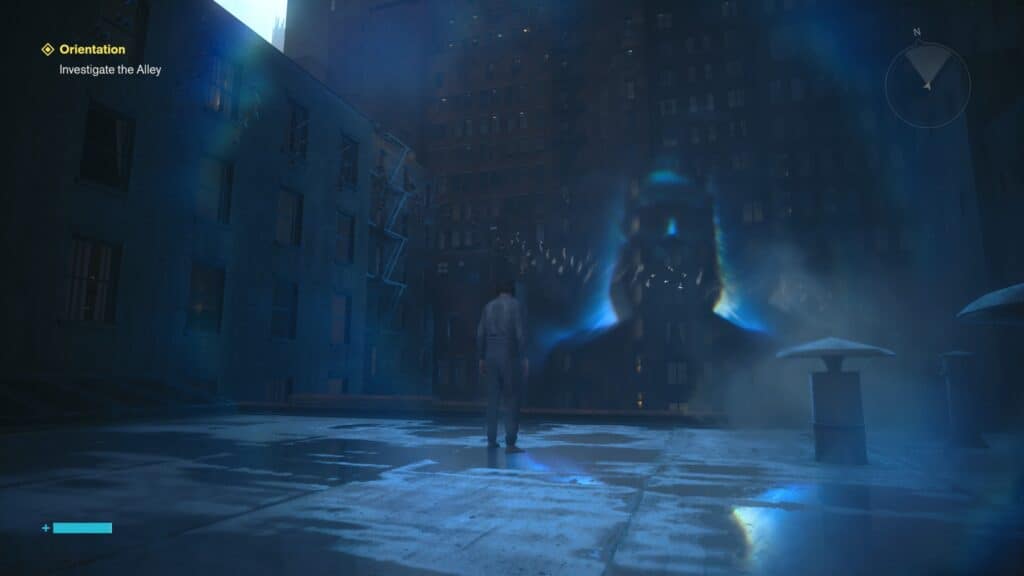
Image credit: Remedy
You see, Control Resonant isn’t a third-person shooter like the original game (or the Alan Wake series); instead, it’s a hack-and-slash adventure that feels a lot more like Bayonetta, with a bit of Prototype and Bloodborne thrown in. Essentially, Control Resonant has completely changed genres, and while that’s rare for game sequels, it works exceedingly well here. That’s because Control Resonant still feels like the original game in tone and style, but the change allows it to lean into mechanics more associated with RPGs and open world games.
Once Dylan is turned loose, the player will have a lot more freedom when it comes to completing quests and in what order they achieve certain goals – usually with their build in mind. The main story still follows the same beats, but players can decide when they battle certain bosses known as Resonants, and when to engage in side content. Resonants are enemies that wouldn’t be out of place in Elden Ring, and what’s most interesting about these bosses is that they unlock new combat abilities on defeat, all which empower Dylan and make other monsters easier to take down.
For example, killing a fire themed boss unlocked the ability to add fire damage to our weapons, something that made life much easier in another area where enemies with fused with the mold from the first game – which, you guessed it, has also escaped The Oldest House and is making a home for itself in the Big Apple. This all means that players will need to think tactically and make sure they tackle certain areas when they’re fully equipped, rather than rushing headlong into an area they may be underpowered for. Enemies can be damage sponges, and not having the right loadout can make battles tiresome, time-consuming and needlessly difficult.
Resonant Evil
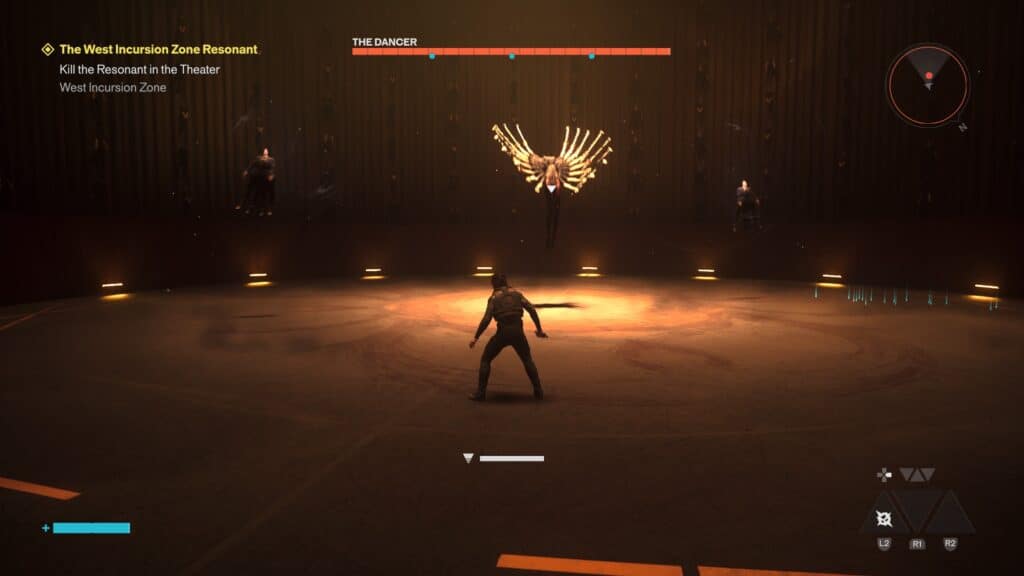
Image credit: Remedy
The Resonants themselves are one of the more unique parts of the sequel, not only are they far more impressive the the enemies seen in the original Control, but the lore behind them is also fascinating to learn. Not only does each one have buckets of character and a tragic backstory to boot, these enemies aren’t actually infected by the Hiss and are part of another paranatural entity known as the Patterns – which is hunting and killing the Hiss with extreme prejudice.
Piecing together to why this could be is part of the game’s mystery, but so is it’s connection to the wider, and growing, Remedy Connected Universe (RCU). Control Resonant serves as a new entry point into this larger story, so players who’ve not played the first game or Alan Wake will still be able to have a good time, but Resonant represents a new era for the RCU – no longer is it confined by the rules of a third-person shooter. After this, anything could happen, and we’re excited to see how the events in New York connect to Bright Falls, or any shenanigans involving another Big Bad who’s been looming over Remedy’s games in recent years.
Final act
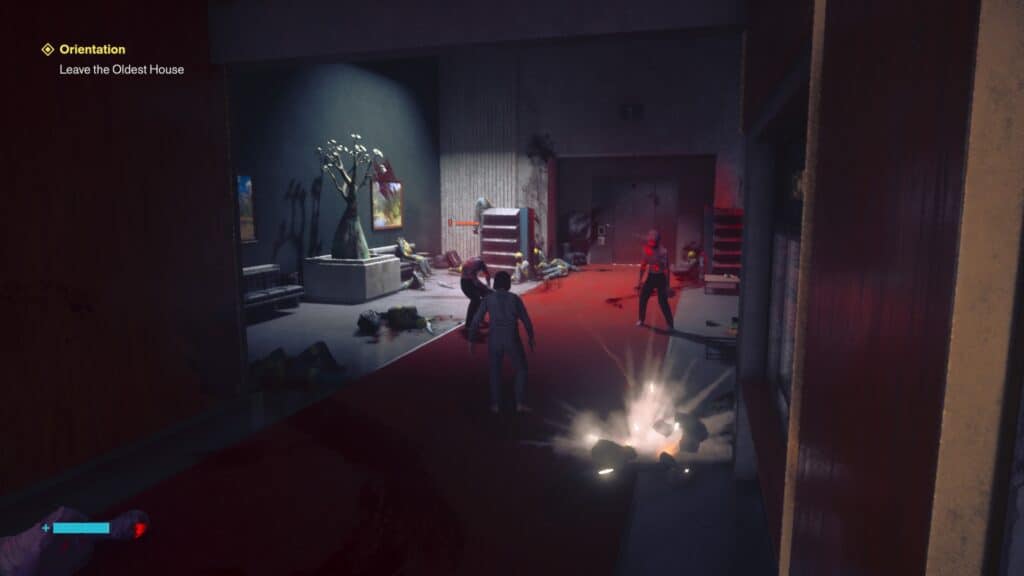
Image credit: Remedy
Control Resonant was a risk for Remedy, as (not including Firebreak) it represented the first time that an RCU game abandoned the shoot gun, use light/time/psychic power loop that’s served as connecting tissue between each title, even those that are no longer considered part of the RCU like Quantum Break (cough, multiverse, cough). However, now that this band-aid is ripped off, the floodgates are open for all sorts of new ideas, and Control Resonant may be just the start of something even more exciting.
While Control Resonant isn’t quite as slick as games like Devil May Cry and Ninja Gaiden, those who enjoy experiences like that as well as the trippy and bonkers universe that Remedy has created will find a lot to love here. The game took us roughly 30 hours to complete, and it won’t be the last time we take to the streets to take the fight to the Hiss.