

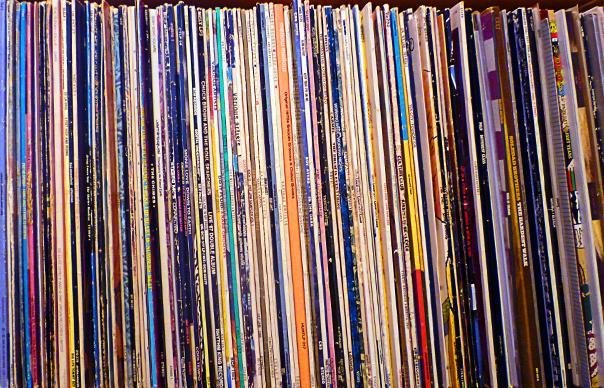
The unlikely resurgence of vinyl has delivered plenty of unexpected sights over the past two decades. Major labels have discovered the lucrative joys of deluxe packaging. Teenagers are buying turntables again. LPs are selling in quantities that would have seemed unimaginable 20 years ago.
But there is another, less welcome, sign that records are genuinely valuable again: counterfeiters are making a fortune from fake LPs.
The issue has been thrust into the spotlight following the jailing of Rehan Ahmed, the west London businessman behind what investigators have described as Britain’s largest counterfeit vinyl operation. Trading under the names Phoenix Of Vinyl and Paragon Music, Ahmed pleaded guilty to copyright offences and acquiring criminal property after police uncovered an operation responsible for producing and distributing thousands of fake records, according to a Guardian report.
When officers raided the operation’s premises, they discovered around 15,000 counterfeit LPs, along with presses and manufacturing equipment spread across a three-storey industrial unit. Sentencing Ahmed at Inner London Crown Court, Judge Darren Reed described the business as a “sophisticated and planned” enterprise that had caused wider harm to the music industry.
The story is extraordinary, but it is also part of a much bigger trend.
Since Dylan’s Great White Wonder in 1969, bootlegs have been part of the collectors ecosystem, as fans truffled out live recordings, radio broadcasts and unreleased studio material. Jim O’Rourke once told Uncut about seeing Jimmy Page browsing Led Zeppelin bootlegs in Tokyo record shops.
In some corners of music fandom, such illicit recordings have long occupied an ambiguous space somewhere between piracy and preservation. Indeed, many recordings that once circulated unofficially have gradually found their way into deluxe reissues and archive releases. Much of the recent Joy Division box set Eternal, for example, draws on audience and off-air recordings that would once have existed only in collectors’ circles. In 2011, Uncut ran a cover story on the 50 Greatest Bootlegs Of All Time – from that list, only 20 remain essentially unreleased in the form collectors knew them.
Counterfeit records are something different. Rather than offering music unavailable elsewhere, they attempt to pass themselves off as genuine products, often exploiting collectors’ desire for scarce or expensive releases. The commercial logic is obvious. Quoting BPI figures, the Guardian reported that UK vinyl sales reached 7.6 million units in 2025, marking an 18th consecutive year of growth, while the US vinyl market generated more than $1 billion in revenue for the first time since 1983.
At the same time, record prices have climbed steadily. New albums commonly sell for £30 or £40, while limited editions and collectable titles can change hands for considerably more. In an era when fans will happily queue for Record Store Day exclusives and pay premium prices for coloured-vinyl variants, the temptation for counterfeiters is clear.
According to the BPI, the problem has grown dramatically. Over the past two years, the organisation has been involved in dozens of raids targeting counterfeit music products, resulting in the seizure of around 600,000 fake records and CDs with an estimated value of up to £8 million.
Certain artists have become particular favourites among forgers. Frank Ocean’s Channel Orange spent years circulating in unofficial vinyl editions before an authorised pressing finally emerged, while collectors of rare hip-hop, indie and alternative releases have long swapped stories about dubious copies turning up online and in shops.
For seasoned collectors, spotting a fake can sometimes be straightforward: poor print quality, incorrect catalogue numbers, suspiciously light vinyl or artwork that doesn’t quite match the original. But as manufacturing techniques improve, distinguishing genuine pressings from copies is becoming increasingly difficult.
Which is perhaps the ultimate sign of vinyl’s unlikely comeback. During the 1990s, the major labels effectively relegated vinyl to a niche format, steering consumers towards CDs and encouraging many music fans to buy classic albums for a second time. As pressing plants closed across Europe, the industry assumed the LP’s future was as a collectors’ curio rather than a mass-market product.
Three decades later, that calculation looks rather different. Vinyl sales continue to rise, new pressing capacity struggles to keep pace with demand and, as we have discovered, records have become valuable enough to support an industrial-scale counterfeit trade. It now transpires that there is a three-storey industrial unit in west London with vinyl-pressing capacity. The question is whether any of the UK’s record labels will be tempted to buy the site…